He thought she was a Moldovan marketing consultant from Chișinău. She was 36, divorced, no children, and said she worked with Romanian clients during the week and helped her mother on weekends. Her photos were ordinary enough to feel real: a café table, a winter coat, a mirror selfie in an apartment hallway. She did not ask for money. Not at first.
For three weeks, she sent morning messages, voice notes, and small details about her day. Then she mentioned a crypto platform her cousin in Bucharest used. She did not pressure him. She only showed screenshots. A $500 test deposit became $3,000. The fake account balance climbed to $18,700. When he tried to withdraw, the platform demanded a tax payment. Then a verification fee. Then an anti-money-laundering deposit. By the time he stopped, the woman, the platform, and the profit had all disappeared.
Moldovan dating scams do not always look like someone begging for a plane ticket. The more dangerous version starts as a normal conversation, turns into emotional trust, and only later becomes a financial trap. Sometimes the story is about travel money or a family emergency. Sometimes it is about crypto, forex, or a private investment opportunity. The method changes. The structure is usually the same.
In March 2026, Moldovan authorities reportedly dismantled a large romance scam call center in Chișinău that targeted people in Australia, India, and the United States through dating platforms and fake identities. The reported scale matters because it shows that Moldova romance scams are not always one person behind one fake profile. Some are organized operations built to run many conversations at once.
A fake profile is simple. Someone steals photos, invents a name, and tries to get money.
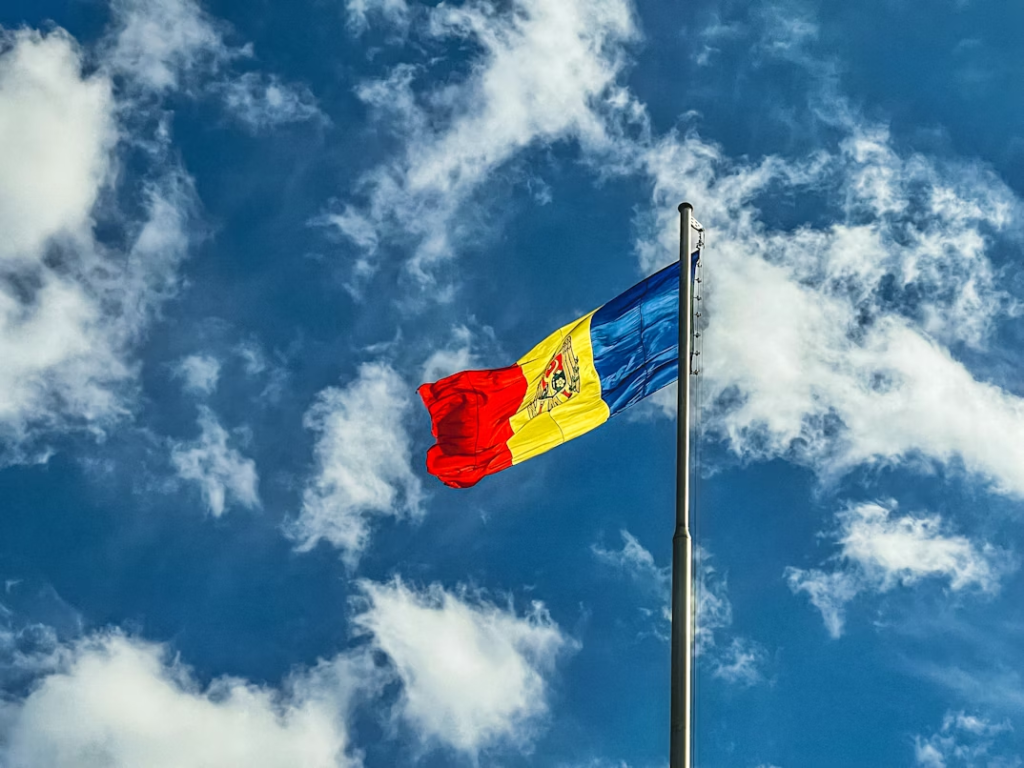
A Moldovan dating scam can be more layered. The profile may claim to be from Chișinău, Bălți, Tiraspol, Bucharest, Kyiv, or somewhere between Moldova and Romania. The person may speak about travel, European documents, family obligations, unstable work, or cross-border life in a way that sounds plausible to someone outside the region.
That does not mean Moldovan women are the problem. They are not. The problem is that scammers use Moldovan identities, Moldovan cities, and Eastern European backstories because they sound believable, international, and just distant enough to make verification difficult.
In many scams, Moldova is not the real identity. It is the setting.
A profile may say she lives in Chișinău but works with Romanian companies. Another may say she is Moldovan but temporarily in Ukraine, Poland, Germany, or Turkey. Another may claim she wants to leave Moldova because salaries are low and life is unstable. The story gives the scammer a reason to want foreign romance, travel support, or financial opportunity.
This matters because the location becomes useful later. If she cannot meet, it is because of visa issues. If she needs money, it is because the bank is difficult, the border is complicated, or the travel process is expensive. If she wants to talk on Telegram, it is because she “does not use the dating app often.” Each piece sounds harmless by itself. Together, they form a path.
The old image of a romance scammer is one person sitting alone, writing messages to one victim. That still happens, but it is not the whole picture.
Organized groups can divide the work. One person creates the profile. Another handles daily messages. Another manages financial pressure. Another sends documents, screenshots, or crypto instructions. A victim may feel he is speaking to one woman, when the conversation is being handled like a customer file.
The Chișinău case reported in 2026 involved a call center allegedly used for large-scale romance scams, with fake identities and catfishing techniques aimed at foreign victims. That kind of structure explains why some profiles seem strangely consistent. They remember your dog’s name, your work schedule, and your last argument, but they still avoid anything that would prove who they are.
The first red flag is not always a request for cash.
Some romance fraud Moldova cases begin with patience. The scammer waits. The conversation becomes familiar. You talk before bed. She remembers your stress at work. She sends a photo from a café. She asks about your family. Then, only after trust is built, money enters the story.
That delay is the point. A request on day two feels suspicious. A request after six weeks feels personal.
Most Moldovan dating app scam patterns follow a sequence. Not every case includes every step, but the order is common enough to matter.
The profile is usually not too perfect. That is what makes it work.
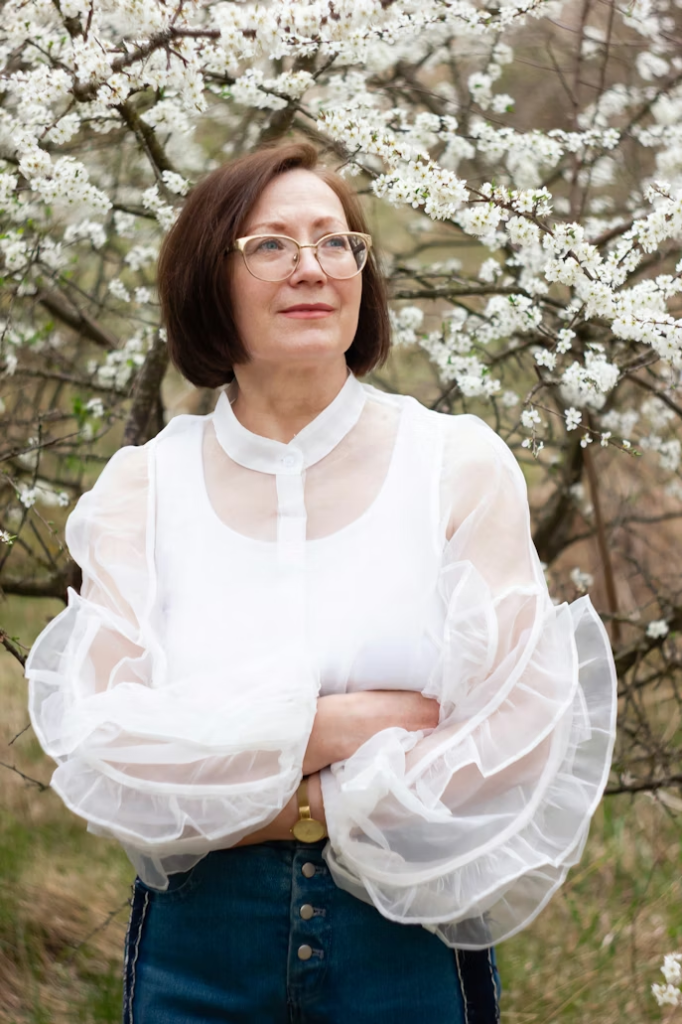
She may not look like a model. Her photos may feel casual: a restaurant, a park, an apartment, a car, a work outfit. The biography is also ordinary. She may be a marketing specialist, teacher, designer, nurse, consultant, small business owner, or finance worker.
The profile may include just enough local detail to feel real. Chișinău. Romanian and Russian. Family outside the city. A wish to travel. A difficult past relationship. A stable job, but not enough money to solve every problem.
The best fake profiles are not glamorous. They are believable.
Soon after matching, she suggests Telegram, WhatsApp, or another private app.
The reason sounds normal. She does not check the dating app. The app is slow. She feels more comfortable elsewhere. She wants privacy. She is serious and does not like casual dating.
This move matters. Dating platforms have reporting systems, moderation, and account records. Private messaging apps give the scammer more control. The CFTC lists moving conversations to private messaging apps as one warning sign in online financial romance fraud, especially when the relationship later turns toward crypto or foreign currency trading.
A real person may also prefer WhatsApp or Telegram. The app alone does not prove fraud. But when the move happens quickly, before verification, and the profile later disappears from the dating platform, it becomes part of the pattern.
The emotional phase can be obvious or subtle.
Sometimes she talks about love within two weeks. Sometimes she is more restrained. She says she feels calm with you. She says you are different. She says she has never opened up like this before. She asks careful questions and gives long answers.
The rhythm becomes important. Morning message. Evening message. A small complaint about her day. A dream about meeting. A photo before sleep. The relationship starts to feel like a routine.
That routine is not accidental. It makes the later request feel less like a transaction and more like helping someone already inside your life.
The first money request is often framed as a temporary obstacle.
It may be travel money. A visa document. A plane ticket. A medical bill. A phone repair. A bank account problem. A customs fee. A short loan. A translation cost. A family emergency.
The amount may be small enough to feel manageable. That is also part of the test. If you pay once, the scammer learns two things: you believe the story, and you are willing to solve problems with money.
The second request is usually easier to justify because you already paid the first.
The most dangerous version is not a direct request for money. It is the investment turn.
She does not ask you to send money to her. She shows you how she makes money. Crypto. Forex. Gold. Short-term trading. A private platform. A mentor. An uncle. A cousin in Romania. A friend who works in finance.
The first deposit is small. The platform shows profit. You may even be allowed to withdraw a small amount at the beginning. That small withdrawal is not proof. It is bait.
Then the numbers grow. The account shows larger gains. She encourages you to invest more before a “limited window” closes. When you finally try to withdraw, the platform demands a fee, tax, verification payment, account upgrade, or security deposit.
CFTC describes this kind of romance-investment fraud as “pig butchering,” where grooming can take weeks before the target is pushed toward crypto or foreign currency trading.
| Red flag | What it looks like | Why it matters |
| The profile is polished but thin | Good photos, vague job, few personal details, no real social history | Stolen or manufactured profiles often look complete at first glance but collapse under detail |
| She moves to Telegram or WhatsApp quickly | “I rarely use this app” or “I feel better talking there” | Private apps reduce platform moderation and make the trail easier to erase |
| Local details stay vague | She says she lives in Chișinău but cannot answer simple questions about neighborhoods, transport, or daily life | A scripted identity usually has broad facts, not lived experience |
| Video calls are always delayed | Camera broken, bad internet, too tired, only available at scheduled times | Real people can usually manage a short spontaneous check after weeks of talking |
| Emotional intimacy comes fast | Talk of fate, trust, future plans, or serious feelings before meeting | Love bombing builds dependency before the financial request |
| Travel plans never become concrete | She wants to visit but cannot discuss dates, routes, documents, or realistic costs | The idea of meeting keeps you invested while the meeting stays out of reach |
| Crypto enters the conversation casually | She shows trading screenshots or mentions a successful relative or mentor | This is a common bridge from romance scam to investment fraud |
| Documents appear when you doubt | Passport, ticket, visa, medical bill, or bank screenshot arrives right after you ask questions | Fake documents are often used to reset trust |
| Every obstacle has a fee | Visa fee, airport fee, tax, withdrawal fee, account release fee | Repeated payments are not bad luck; they are the business model |
| She avoids direct contact details | No verifiable employer, address, social account, or independent identity trail | A real person has a life outside the chat |
Not every financial problem is a scam. But in online dating, certain money requests should stop the conversation until you verify everything independently.
Travel money is one of the oldest romance scam requests.
The story is simple: she wants to meet, but she cannot afford the ticket. Then comes the visa fee. Then insurance. Then a customs issue. Then a border problem. Then a missed flight. Each payment is supposed to bring the meeting closer. The meeting never happens.
A real person who is serious about visiting can discuss exact dates, airlines, visa rules, hotel plans, and backup options. A scammer talks about emotion first and logistics only when forced.
Emergency requests are designed to make you act before you think.
A mother is sick. A child needs medicine. A phone broke. Rent is due. A wallet was stolen. A bank card stopped working. She is embarrassed to ask, but you are the only person she trusts.
The details may sound convincing. That is not enough. Scams work because they borrow real human situations. The question is not whether the emergency could happen. The question is why a person you have never met needs you to solve it.
A crypto romance scam often feels less suspicious than a direct money request because the money appears to stay under your control.
That is the trick.
You are not “sending her money.” You are depositing into your own account. You see a dashboard. You see profit. You may see charts, support agents, and verification steps. But the platform can be fake from the beginning.
When a dating contact introduces an investment platform, that is not romance advice. It is a financial red flag.
This is where many victims lose the most.
After the fake profit appears, the platform blocks withdrawal. Support says you must pay tax, commission, liquidity fee, anti-money-laundering deposit, or account verification. The dating contact becomes anxious and supportive. She tells you she has done it before. She may offer to “help” with part of the fee.
Do not pay it.
A legitimate trading platform does not require you to send new money to unlock your own balance through a private wallet address. A fake one does.
Verification is not rude. It is normal when money, travel, or serious commitment enters the conversation.
Start with the photos. Run them through Google Images, Yandex Images, and TinEye. Yandex is often useful for Eastern European and Russian-language sources. A match to another person’s profile, modeling page, or old social account is a serious warning. No match does not prove the profile is real. It only means the image was not found.
Ask local questions that require lived experience. Not trivia. Normal life.
Ask which district of Chișinău she lives in. Ask which route she takes to the airport. Ask whether she usually speaks Romanian or Russian at work. Ask where locals go for coffee near her office. A real person may answer casually. A scripted profile often answers vaguely or changes the subject.
Ask for a spontaneous video check. Not a scheduled paid video call. Ask for a short video holding up three fingers, saying today’s date, or writing your name on paper. This does not prove everything, especially with modern video manipulation, but it can expose many fake-profile operations.
Cross-check her story. Search the employer. Search the phone number. Search the username. Look for social accounts with real history, comments, tagged photos, and normal inconsistencies. Fake identities often look either empty or too clean.
Do not trust documents alone. Passport images, tickets, visas, bank screenshots, and medical papers can be forged. In romance scams, documents are often sent at the exact moment doubt appears. Their purpose is not proof. Their purpose is to make you feel guilty for asking.
There are two different risks.
The first is the individual scammer. This person uses a fake identity to build a relationship and extract money directly. The request may be for travel, an emergency, or crypto. The scammer’s goal is a transfer.
The second is the dating site or agency-style model. In this case, the trap may be built into the platform. You pay for messages, translations, photos, video sessions, or contact requests. The person in the photos may not be writing to you. A local agency or operator may handle the conversation.
These are different scams, but they can feel similar to the victim. In both cases, the relationship does not move into real life. It stays inside a paid or controlled channel.
The useful question is not whether every Moldovan dating site is fake. The useful question is whether the system makes money when you meet someone, or when you keep paying not to.
Slow everything down.
You do not need to accuse the person. You do not need to argue. Simply stop sending money, stop investing, and stop making decisions under emotional pressure.
Ask practical questions. Request a spontaneous video check. Verify photos. Search usernames and phone numbers. Ask about travel logistics. Watch the reaction.
A real person may be surprised, but they will usually understand caution. A scammer will often become hurt, angry, urgent, or dramatic. They may say you do not trust them. They may threaten to leave. They may turn the conversation into a test of love.
That reaction is information.
Save everything: profile screenshots, usernames, phone numbers, wallet addresses, bank details, receipts, crypto transaction hashes, emails, documents, and chat history. If the profile disappears, your evidence disappears with it unless you already saved it.
FTC advises reporting romance scams through ReportFraud.ftc.gov and notifying the app or social network where the contact began. If payment was already made, FTC also advises contacting the bank, card company, gift card issuer, wire company, payment app, or crypto platform immediately.
Act quickly. Shame helps the scammer. Speed helps you.
If you paid by credit card or debit card, contact the issuer and dispute the charge. Say clearly that you believe you paid a scammer.
If you sent a wire transfer, contact the bank or transfer company immediately. Some transfers can be stopped if reported fast enough.
If you paid with a gift card, contact the company that issued the card. Tell them the card was used in a scam and ask whether any funds can be frozen or refunded.
If you sent cryptocurrency, collect the wallet address, transaction hash, exchange records, screenshots, and all messages connected to the transfer. Crypto payments are difficult to reverse, but the records may help investigators connect your case to others.
Do not pay a recovery service that promises to get your money back for an upfront fee. Recovery scams target people who have already been hurt once. The second scam often sounds more professional than the first.
No.
Most Moldovan people using dating apps are not scammers. Many are ordinary people looking for relationships, travel, marriage, or conversation. Treating every Moldovan profile as fake would be unfair and inaccurate.
The risk is not that someone is Moldovan. The risk is that the identity may be manufactured, the relationship may be scripted, and the financial request may be the real purpose of the conversation.
A genuine person can tolerate reasonable verification. A scam operation cannot.
When a dating profile starts to feel serious, you need more than a feeling. You need comparison, verification, and an outside perspective.
Allaboutdatingscam can help you look at the parts of the situation that are easy to miss when you are emotionally involved: profile photos, message patterns, money requests, document claims, crypto links, and the timeline of the relationship.
A single red flag does not always prove a scam. A pattern does. The value of a second look is that it separates normal long-distance dating problems from the mechanics of a romance fraud operation.
If someone is asking for money, crypto, travel support, document fees, or investment deposits, check before you pay. It is easier to pause before sending money than to recover it after the transfer is gone.
Before you send money, invest, or make travel plans with someone you met online, answer these questions honestly.
Have you had a spontaneous video call?
Have you verified the profile photos on more than one search engine?
Does the person answer specific local questions clearly?
Do the work, city, language, and travel details stay consistent?
Has the relationship moved faster than real life normally does?
Did the conversation move to Telegram or WhatsApp before trust was established?
Has crypto, forex, or a private investment platform entered the conversation?
Are you being asked to pay a fee to unlock money, documents, travel, or account access?
Did documents appear only after you started doubting the story?
Would you believe the same situation if there were no romance involved?
If several answers feel uncomfortable, stop. Verify first.
Moldovan dating scams do not always begin with an obvious lie. They often begin with attention. A believable profile. A steady routine. A person who seems patient, warm, and real.
Then comes the private app. The emotional dependency. The travel problem. The emergency. The crypto opportunity. The blocked withdrawal. The fee that supposedly fixes everything.
These are not separate warning signs. They are often stages of the same machine.
The best protection is not suspicion of everyone. It is patience. Real people can wait while you verify. Real relationships do not require urgent payments, secret investments, or fees to prove trust. A scam needs motion. It needs you to act before the story has time to fall apart.
Slow it down, and the truth usually shows itself.
Moldovan dating scams exist, but that does not mean most Moldovan dating profiles are fake. The safer way to think about the risk is this: scammers may use Moldovan names, cities, photos, or backstories because they sound believable to foreign victims. The profile should be judged by behavior, verification, and financial pressure, not by nationality alone.
Look for patterns. A fake profile may move quickly to Telegram or WhatsApp, avoid spontaneous video calls, give vague local answers, use polished photos with little social history, and introduce money or crypto after emotional trust is built. One sign may be explainable. Several signs together are a warning.
Private messaging apps give scammers more control. They can avoid dating app moderation, delete accounts, change numbers, and keep the conversation away from reporting tools. A real person may also use these apps, but a fast move off-platform before verification should make you cautious.
No. A video call helps, but it is not absolute proof. Scheduled calls can be controlled, short, low-quality, or manipulated. A better test is a spontaneous video request involving an action that cannot be prepared in advance, such as saying today’s date or holding up a handwritten word you choose.
Do not send money until you independently verify the person, the travel plan, and the documents. Ask for exact dates, routes, visa requirements, and practical details. If every step creates another fee, stop the conversation and review the pattern.
Yes. This is one of the most dangerous forms of modern romance fraud. The scammer builds trust first, then introduces a trading platform, crypto wallet, or investment opportunity. The victim thinks the money is going into their own account, but the platform may be fake.
Contact your bank, card issuer, payment app, wire service, gift card company, or crypto exchange immediately. Save all evidence. Report the scam to the relevant authorities and to the dating app or social platform where the contact began. Do not send more money to recover the first payment.
No. Some are legitimate platforms with real users. The risk depends on the model and behavior. Be especially careful with sites that charge per message, block direct contact, rely on paid translations, or keep conversations going without any realistic path to meeting.
The biggest red flag is not one message. It is the combination of fast emotional intimacy and financial pressure. When love, urgency, secrecy, and money appear in the same conversation, treat it as a serious warning.
You can pause without making accusations. Stop sending money, stop investing, and verify the profile. A genuine person will not need you to risk your savings to prove your feelings.