Meeting someone online is a normal part of life now. Millions of people use dating apps, dating sites and social media to find friendships and start meaningful relationships.
But the same platforms that bring people together also give criminals a place to work. Romance scammers build fake identities, gain someone’s trust and use that connection to steal money, personal information or account access. It’s a confidence scheme dressed up as romance, and it plays out the same way across the world.
Most romance scammers follow a familiar pattern: they create a believable profile, gain the victim’s trust, build an emotional relationship, invent a problem or opportunity, then ask for money.
This can happen on dating apps, dating sites, Facebook, Instagram and other social media platforms. The end goal rarely changes. What changes is how the scammer enters your life and how they earn your confidence along the way.
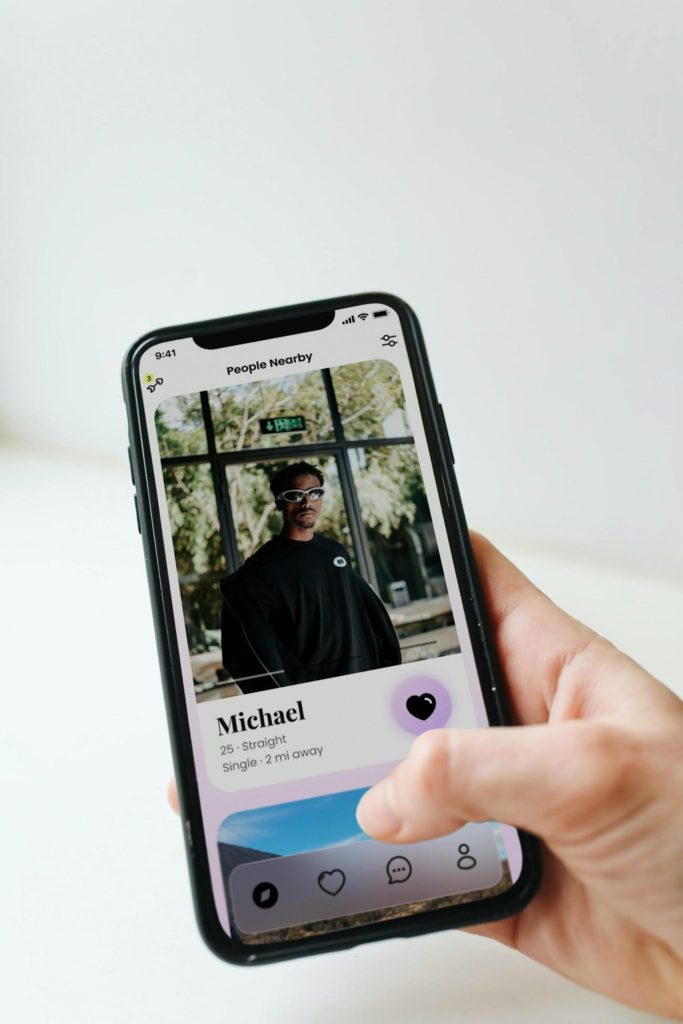
Dating apps are built around romance, so they’re a natural home for dating app romance scams. Social media works differently, since a scammer can first show up as a friend, a follower or someone who just happens to share your interests.
Either way, the biggest red flag stays the same: someone you’ve never met in person starts applying emotional pressure, asking for financial help or dodging basic verification.

| Category | Dating Apps | Social Media |
| First contact | Match, message or profile interaction | Direct message, comment, follow request |
| Main approach | Fake romantic profile | Fake identity, friendship or impersonation |
| Information source | Dating profile details | Public posts, photos, family information |
| Trust method | Attraction and romantic interest | Shared interests and personal connection |
| Common transition | Move to WhatsApp or private chat | Move to private messages quickly |
| Main risk | Fake dating profiles | Fake accounts and personal information harvesting |
Dating apps ask users to build a profile meant specifically for meeting people, which hands scammers a ready-made setup where romantic interest is already expected.
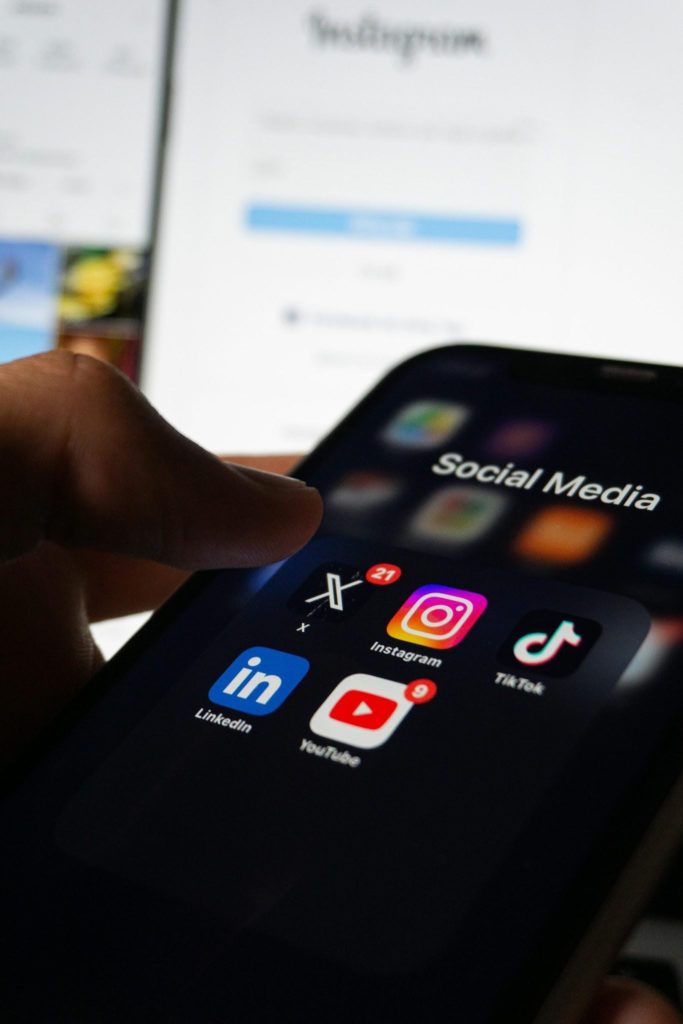
Social media is a different story. A scammer can spend time studying your public information first, learning about your job, your family, your travels and your hobbies before ever sending a message. That research lets them fake a sense of familiarity from the very first “hello.”
The platform changes. The manipulation doesn’t.
Creating a fake profile is still the most common trick in the book. Scammers rely on stolen personal photos, professional-looking pictures, invented jobs, false locations, copied interests and fabricated life stories.
Most fake profiles aren’t built to look perfect. They’re built to look normal: someone working abroad, someone with an interesting career, someone who loves to travel, someone looking for a serious relationship. The goal isn’t fame or wealth, it’s believability.
Dating platforms make this easy because users are already searching for a connection. Nobody joins looking for fraud. They’re looking for a relationship, and that’s exactly what scammers exploit.
Scammers on dating apps often work from prepared conversation patterns: compliments, questions about your life, shared interests, personal stories, emotional statements. They remember small details on purpose, because those details are what build trust.
Say you mention you love dogs. Later, the scammer brings it back up: “I remembered you told me about your dog. That says a lot about how caring you are.” It feels personal, but it’s calculated. Scammers often spend weeks or months building trust before any money request shows up, so by the time it does, the relationship already feels important to the victim.
Some scammers lean on platform features to send repeated messages, run multiple accounts, push the conversation elsewhere, share fake documents or send suspicious links.
A typical sequence looks like this: match, build an emotional connection, ask to leave the platform, deepen the personal conversation, then introduce a money problem. That problem usually takes the shape of a medical emergency, a travel issue, a business setback, a family crisis or an investment opportunity.
Social media romance scams often start without any romantic framing at all. The opener might just be “Hello, I saw your profile,” “We have similar interests” or “You seem like a kind person.” Casual, low-pressure, easy to answer.
From there, the scammer shows interest in your hobbies, your work, your country, your lifestyle, building familiarity long before romance enters the picture. Unsolicited messages work well for scammers here because they can reach large numbers of potential victims at once.
Social media gives scammers another advantage: borrowed trust through mutual connections. A fake account can follow your friends, copy someone else’s photos, join the same groups and comment on familiar topics. That makes the profile look more real than it is.
A victim might think, “We have mutual friends, so this person must be genuine.” But connections can be copied just as easily as photos can.
Social media profiles tend to reveal more than dating profiles do: family details, vacation photos, workplace information, relationship status, personal interests. All of it becomes material for a scammer’s story.
If you post about travel, don’t be surprised when a new contact says, “I’ve always wanted to visit your country too.” The shared interest wasn’t a coincidence. It was built from what you already posted.
The real difference comes down to how trust gets started.
Dating apps: the person enters your life as a possible romantic partner, following a path of match, conversation, attraction, relationship, then a money request. Watch for fast emotional attachment, overly professional photos, a vague personal history, a refusal to meet and pressure to leave the dating platform.
Social media: the person shows up as a friend, follower, professional contact or someone with shared interests, following a path of contact, friendship, trust, romance, then a money request. Watch for a brand-new account, copied photos, odd messages, sudden romantic interest and financial hard-luck stories.
The clearest warning sign of all is a request for money before you’ve ever met in person. The story might involve a medical emergency, a travel problem, a family issue, a blocked bank account, a business setback or an urgent bill.
Scammers tend to say things like “I only need help this once” or “You’re the only person I trust.” The story changes. The goal never does.
Pressure is a tool. “I need this today,” “there’s no other option,” “the situation can’t wait.” Urgency is designed to shut down careful thinking. A real person can usually explain a situation and give you time. A scammer usually can’t afford to.
Avoiding verification is one of the more reliable warning signs. “My camera’s broken,” “my internet is bad,” “my job doesn’t allow calls,” “maybe next week.” One excuse happens. A repeated pattern of excuses is the real signal, since video chat is exactly what tends to expose a fake identity.
Romance scammers gravitate toward payment methods that are hard to trace or reverse.
Gift cards. Apple gift cards, Google Play cards, prepaid cards. Any request for gift cards should be treated as a serious warning sign on its own.
Cryptocurrency. Crypto romance scams typically start with emotional trust before moving into talk of trading, investment opportunities, private platforms or guaranteed profits, all designed to get the victim to transfer crypto.
Wire transfers and payment apps. Scammers may ask for bank transfers, payment app transactions, bank account details or login information. Never send money or financial information to someone you haven’t met and verified in person.
Online dating works best with reasonable boundaries in place. Many victims don’t lose money because they ignored every warning sign. More often, they shared too much too soon, giving another person a window into their emotions, routines and vulnerabilities.
Limit personal details. Keep your home address, workplace details, financial information, private documents, family member information and travel plans to yourself early on. A genuine person doesn’t need your banking details or private information to build a relationship.
Keep your accounts secure. Use strong, unique passwords for different accounts, turn on two-factor authentication and keep social media settings private. If a scammer gets into your accounts, they can use your identity to reach other people.
Be careful with photos. Personal photos can be misused to build fake profiles, used for blackmail threats or used to impersonate you online. Never share intimate photos with someone whose identity you haven’t verified.
The simplest rule is also the most important one: never send money to someone you haven’t met in person.
A person you met online can seem kind, honest and emotionally close. Feelings alone don’t prove identity. Before sending anything, ask yourself: Have I seen this person on a live video call? Have we met face to face? Do I actually know who they are? Would I send money if a friend described the exact same situation?
Slow the relationship down. Scammers want quick trust, quick emotional attachment and quick financial decisions. Slowing communication down gives you room to notice problems. Talk it through with trusted friends and family members who aren’t emotionally involved. Sometimes someone else spots the red flag you missed.
If something feels wrong, don’t wait it out.
Save evidence. Screenshots, usernames, profile links, messages, payment records, emails and phone numbers all help investigators piece together what happened.
Stop communicating. Stop replying, don’t argue, don’t send more money and block the account. Many scammers keep contacting former victims, hoping one more payment will come through.
Contact your bank. If money has already been sent, contact your bank right away and explain when the payment happened, how much was sent, how it was sent and who received it. Some payments can’t be recovered, but acting fast improves the odds of stopping further losses.
Report the account. Report suspicious profiles to the dating website, the dating app or the social media platform involved. Local law enforcement and consumer protection organizations also recommend filing a report, since these reports help spread awareness and identify larger fraud networks (Better Business Bureau).
US users can file romance scam reports with the FTC. The Federal Trade Commission reported that romance scams caused $1.14 billion in reported losses in 2023, across 64,003 reported cases, with a median reported loss of $2,000 per victim.
Dating platforms and social media companies keep improving their security, but users still need to verify people on their own.
Profile verification. Identity checks, photo verification, suspicious behavior detection and account monitoring all help, but a verification badge should never replace personal judgment.
Reverse image search. A reverse image search can catch stolen photos by showing whether the same picture shows up under another name or on multiple websites. A fake profile often has a photo history that doesn’t line up with the person’s story.
Reporting and blocking. If an account raises warning signs, report it, block it and stop talking. Don’t keep the conversation going just to “confirm” whether someone is a scammer.
Romance scammers tend to reuse the same emotional scripts, even though each one sounds personal in the moment.
Emergency money example: “I hate asking you this, but I have no one else. My bank account is blocked and I need help today. I promise I will return everything.” Warning signs: urgency, emotional pressure, a direct money request, the claim that no one else can help.
Travel problem example: “I was supposed to visit you, but something happened with my ticket. I only need help with the final payment.” Warning signs: the relationship depends on a payment, the meeting is always close but never happens, another fee shows up later.
Investment example: “I normally don’t talk about this, but I want to help you build your future. I know a private platform where I make great returns.” Warning signs: investment advice from a romantic contact, cryptocurrency requests, promises of easy profit.
Video call excuse example: “I want to call you, but my camera is broken. Maybe tomorrow.” One excuse can happen. A repeated pattern of avoiding video calls is a different story.
Understanding how romance scams work is one of the strongest defenses against becoming a victim. A professional photo doesn’t prove identity. A long conversation doesn’t prove honesty. A romantic story doesn’t prove a real relationship. Someone who refuses basic verification is creating risk, not protecting privacy.
Many victims feel real emotional distress once they realize the relationship was fake, and shame, anger and betrayal are common reactions. Romance scams are built around trust and emotion specifically so the victim keeps ignoring their own doubts.
AllAboutDatingScams helps people review suspicious online relationships before financial or emotional damage happens. The service focuses on recognizing patterns rather than judging someone off a single message.
Profile analysis looks at photos, profile details, account history and other suspicious information.
Communication analysis looks for love bombing, scripted messages, unusual emotional pressure, repeated excuses and money requests.
Scam pattern review covers fake identities, stolen photos, emergency stories, investment requests and pressure to move the conversation to a private channel.
The goal isn’t to judge someone based on one message. It’s to catch the pattern before a person loses money or personal information.
Romance scams on dating apps and social media start differently but tend to follow a similar structure underneath. Dating apps usually open with attraction. Social media usually opens with familiarity. Both roads can lead to fake profiles, emotional manipulation, private conversations and financial requests.
The strongest warning signs stay consistent: someone moving too fast, refusing video chat, avoiding an in-person meeting, manufacturing emergencies, asking for money or asking for personal information.
Online dating can absolutely lead to a real relationship, but trust should grow alongside verification, not instead of it. A real person will understand your questions. A scammer needs you to stop asking them.
Not necessarily. Both dating apps and social media get used by scammers. Behavior matters more than the platform itself.
They use dating apps, social media platforms, fake profiles, stolen photos and direct messages to reach potential victims.
A request for money before you’ve met and verified the person in real life.
Because live interaction can expose a fake identity, fake photos or a fabricated story.
No. Never send money, gift cards, cryptocurrency or financial information to someone you haven’t met in person.
Yes. Modern scammers can build convincing profiles with professional photos, detailed stories and regular, consistent communication.
Stop communicating, save evidence, report the account, contact your bank if money was sent and talk with people you trust.
Yes. AllAboutDatingScams can analyze profile details, photos, messages and behavior patterns to help identify possible romance scam risks.