
Meeting someone through a dating app, a dating website, or social media has become a normal part of life, and millions of people build real relationships this way. The same platforms also attract people hiding behind a fake online identity, and catfish dating scams rarely start with a request for money. They start with attention: a friendly message, then daily conversations, then plans for a future that was never real. According to the FTC, romance scams cost Americans $1.14 billion in 2023, with a median reported loss of about $2,000, and a recent survey found that 66% of people say they’ve been targeted by this kind of scam at some point. Knowing how catfish online dating scams actually work can help you spot a fake profile before trust turns into a costly mistake.
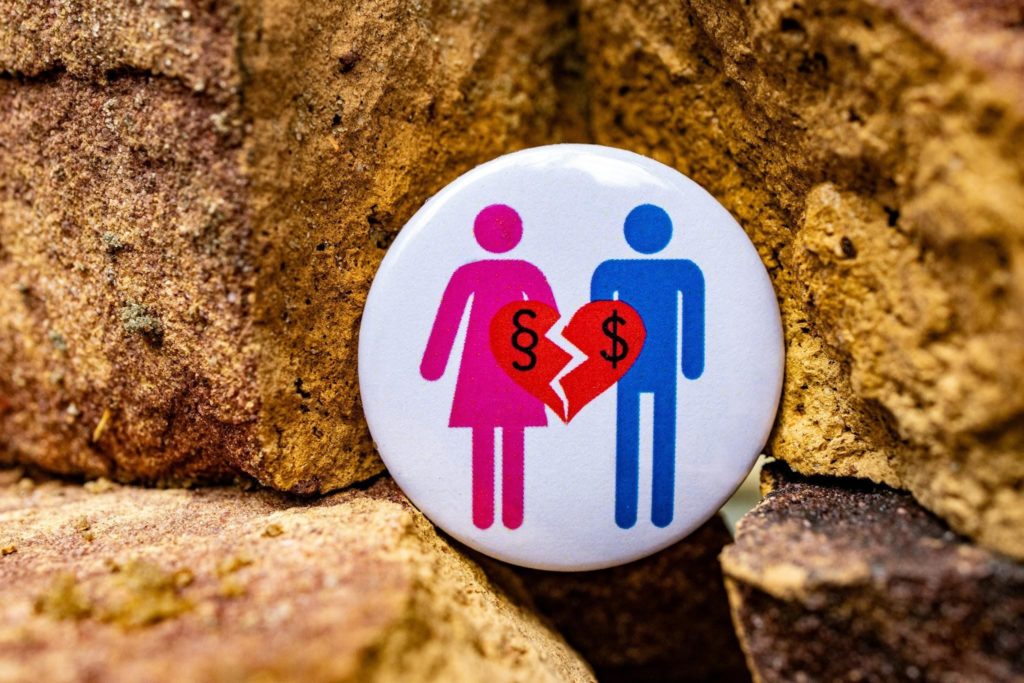
A catfish dating scam happens when someone builds a false identity to start a romantic relationship online. The photos might be stolen from a stranger’s social media account, pulled from a stock site, or generated with AI. The goal isn’t always quick financial gain either; many romance scammers spend weeks on the relationship before ever mentioning money.
A catfish profile tends to borrow the same handful of believable backstories: a soldier stationed overseas, an engineer on an oil platform, a doctor on an international assignment, a successful business owner, or a widowed parent looking for love again. Every detail is chosen because it sounds plausible and is hard to check. People rarely fall for a fake profile on its own; they fall for the relationship that gets built around it.
A fake profile gives a scammer something a real one can’t offer: complete control over the story. The name, the job, the age, the location, the whole biography can be written to fit whatever the target seems to want, and if one account gets flagged, another one takes its place.
Most catfish romance scams follow a familiar arc. First comes constant attention, then compliments, then a fast move toward emotional intimacy. This stage is often called love bombing, and it works because rapid, intense affection makes a new relationship feel special rather than rushed. By the time doubts might normally kick in, the emotional investment already feels too significant to walk away from.
Financial requests almost always come after trust has been established, never before. Common excuses include needing surgery, a frozen bank account, a plane ticket, a package held by customs, or help getting home after a job overseas. The story changes case by case, but the objective stays the same: get the target to pay. These setups aren’t always the work of one lonely person behind a keyboard either; many are tied to organized groups running dozens of profiles across multiple countries at once.
No single detail proves a profile is fake, but a cluster of warning signs together deserves real attention.
Be cautious with accounts that use only professional-looking photos, have very few posts or personal updates, share almost nothing about work or family, look recently created, or barely interact with other real people. A profile that seems too polished, too perfect, or oddly thin on ordinary life details is one big warning sign worth taking seriously. Search the name online and look for other social media accounts, interviews, or community involvement; someone with the career they claim to have usually leaves a digital footprint somewhere. If every trace leads back to the same small set of accounts, be careful.
Sometimes the profile looks convincing but the conversation gives it away. A common pattern in romance scams catfishing cases is a quick push to move off the dating site and onto WhatsApp, Telegram, or another messaging app, followed within days by talk of love, marriage, or a shared future. Meetings get delayed for one reason after another: a broken camera, sudden travel, work overseas. Eventually an emergency shows up, usually a medical bill, a travel expense, or a family problem, and the request almost always involves money. Urgency is the point; the person on the other end wants a decision before you have time to think it through.
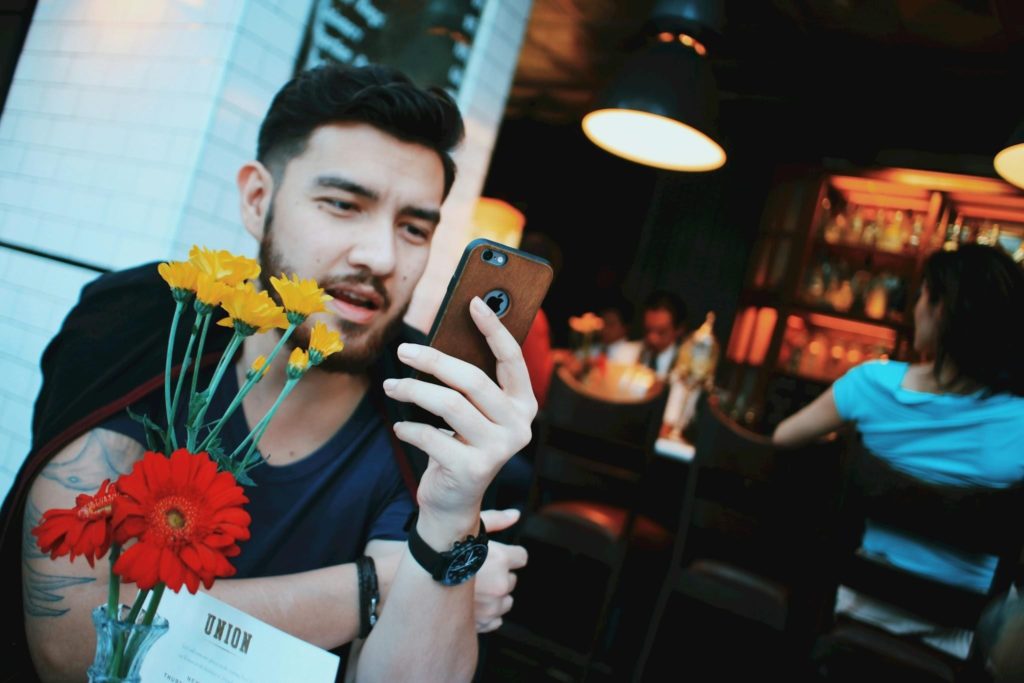
Verification works best before emotions take over, not after.
Upload the profile photo to Google Images, Google Lens, TinEye, or Yandex Images. Sometimes the picture turns out to belong to a model, a doctor, a soldier, or someone else entirely whose identity has been borrowed without permission. Image search doesn’t catch everything, since newly stolen photos and AI-generated faces won’t always show up, so treat it as one step rather than the whole investigation.
Search the username, the email address, and the phone number separately, and look for the same biography appearing on more than one site. Many people only discover that others posted similar stories about the same photos after money has already been sent, so doing this early matters. A real person usually leaves small, inconsistent traces across different platforms built up over years; a fake identity usually exists only where it was created for this one purpose.
A single video chat can feel like proof you’re talking to a real person, but it isn’t. Some catfish avoid video calls completely, others agree but leave the camera off because of “bad internet,” and some show only a few blurry seconds before disconnecting. AI-generated video and prerecorded clips have made this harder to rely on than it used to be. Avoiding verification is one of the oldest tactics in the book, and if someone keeps finding new excuses not to show their face clearly, that pattern is worth paying attention to on its own.
Simple, specific questions often reveal more than a deep investigation ever could. Ask about a place they claim to know well, a detail about their job, or a recent event in their city, and mention a local landmark to see how naturally they respond. Suggest a spontaneous video call instead of one scheduled days ahead. Someone pretending to be another person eventually struggles to keep every detail straight, and if answers stay vague or shift from one conversation to the next, that’s a moment to slow down rather than explain it away. Trust your instincts; if something feels off, don’t ignore it just because you’re hoping the relationship is genuine.
Don’t confront the person right away. Save the evidence first: screenshots of messages, payment requests, usernames, phone numbers, profile links, and photos. Don’t share any more personal or financial information, and never send money to someone you haven’t met in real life. If intimate images have already been exchanged, stop sending more, since blackmail is a real risk in catfishing romance scams once that material exists. Once the evidence is saved, stop responding and block the account. The goal here isn’t proving you’re smarter than whoever was behind the profile; it’s protecting yourself before things get worse.
Reporting a suspicious profile helps protect the next person too. If it appeared on a dating app, use the platform’s built-in reporting tools; if it showed up on Facebook or another social media platform, report it there as well. If you’ve lost money, contact your bank immediately. In the United States, report romance scams to the FTC at ReportFraud.ftc.gov and to the FBI’s Internet Crime Complaint Center (IC3), and involve local police if the losses or identity theft are significant. Every report adds a data point investigators can use to connect cases and identify larger networks.
There’s no single trick that prevents every scam, but slowing down is the closest thing to one. Don’t rush into a serious relationship with someone you’ve only met online, and don’t let the conversation move off trusted platforms right away. Don’t wave off repeated warning signs just because the person is charming, and never send money, gift cards, cryptocurrency, or bank details to someone you haven’t met in person. Avoid sharing sensitive information early on, and talk to friends or family if something feels unusual; an outside opinion often catches problems that are easy to miss once emotions are involved. Healthy relationships build slowly. Scams depend on urgency.
Most catfish dating scams don’t open with a request for money. They open with attention, trust, and a story built to sound believable. The safest habit is verifying early, questioning inconsistencies, running a reverse image search, and refusing to accept repeated excuses for skipping real meetings or clear video calls. If someone you’ve never met in person starts asking for money, treat it as a serious warning sign rather than an unfortunate exception. A genuine relationship doesn’t depend on financial help. A scam usually does.
If you’re unsure whether a profile, conversation, or payment request is legitimate, AllAboutDatingScams can review the details with you and help separate fact from hope. Contact us before sending anything, and check our blacklist and verified profiles before your next connection.
Catfishing means using a fake identity to build a relationship online. In many cases the goal is emotional manipulation, financial fraud, or both at once.
Look for inconsistent details, stolen or overly polished photos, a thin digital footprint, refusal to meet in person, and repeated excuses for avoiding video calls.
No. Some scammers use brand-new or AI-generated images, so reverse image search should be combined with other verification steps rather than used alone.
Meeting in person or joining a real video call makes it much harder to keep a fake identity consistent over time.
No. Never send money to someone you haven’t met in person, no matter how convincing the story sounds.
Report it to the dating app or social media platform where you found it. If you’ve lost money, also contact your bank, local law enforcement, the FTC, and the FBI’s IC3 if you’re in the United States.
Yes. We review profiles, conversations, photos, and common scam patterns to help you judge whether the person you’re talking to is likely genuine or part of a catfishing scheme.