
He met her on a dating site after a quiet Sunday evening search. She said she was from Tbilisi, worked in tourism, and helped her mother with a small family guesthouse outside the city. Her photos looked ordinary enough to trust: a café table, a mountain road, a mirror selfie, a glass of wine on a balcony. She did not ask for money in the first week. That was part of why he believed her. They talked about travel, food, family, and the possibility of meeting in Georgia. She said she wanted something serious, not games. Then the first problem appeared. Her mother had a medical issue. Then a document problem. Then her bank card stopped working. Then the flight she wanted to book suddenly became more expensive. None of the requests sounded huge on their own. But together, they formed a pattern. That is how many georgia dating scams work. They do not always begin with an obvious lie. They begin with a believable woman, a warm conversation, a travel plan, and a family story that feels difficult to refuse. The risk is not that someone is Georgian. The risk is that the identity may be borrowed, the photos may be stolen, and the relationship may be built for one purpose: to make you send money before you ever meet. 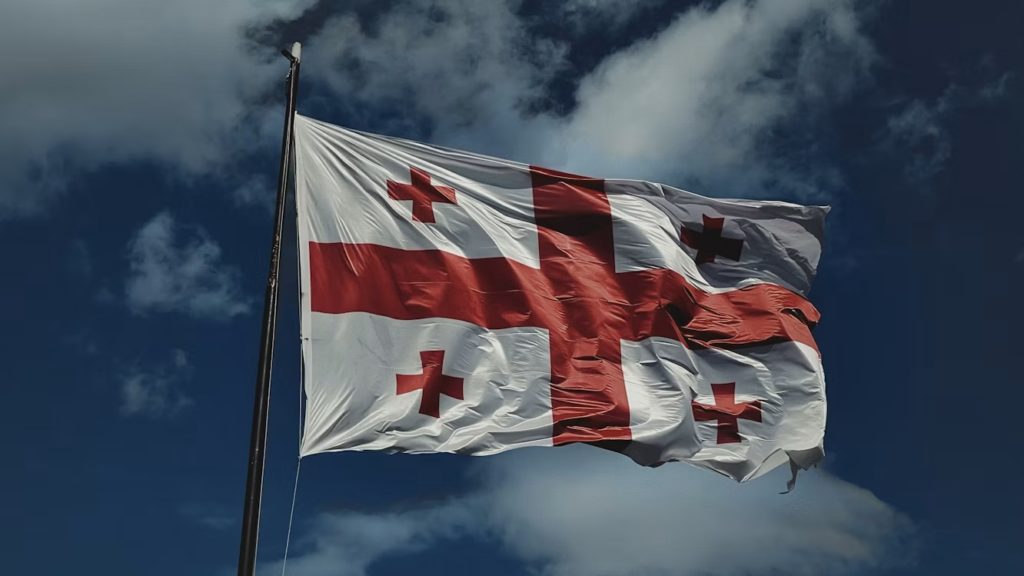
A georgia scam can be harder to spot than a generic fake profile because the story often feels realistic. Georgia is a country many foreign men associate with hospitality, family values, mountains, wine, old streets, and warm people. Tbilisi and Batumi also have strong travel appeal. A woman saying she works in tourism, hospitality, beauty services, translation, restaurants, or a small family business does not sound unusual. That is what makes the story useful to a scammer. The profile can talk about real places. Tbilisi. Batumi. Kutaisi. Rustavi. The mountains. The sea. A family home outside the city. A dream of traveling abroad. A difficult salary. A mother who needs help. A cousin in Turkey. A friend in Europe. To someone outside the region, the details sound specific enough to be real, but not easy enough to verify quickly. That is the space where the scam works. The safest way to look at Georgian dating scams is not through nationality. It is through behavior. A real Georgian woman can wait while you verify. A scammer usually cannot. A real person can answer practical questions. A scripted profile avoids them. A real relationship does not need payment before trust has been tested in the real world.
Most fake profiles are not built to look perfect. They are built to look believable. The profile does not need to look like a model. In fact, overly polished photos can make people suspicious. A better scam profile looks ordinary: a woman in a café, a street in Tbilisi, a seaside picture in Batumi, a casual work outfit, a family dinner, a mountain trip. The goal is not glamour. The goal is trust.
A fake Georgian dating profile often uses a simple identity. She may say she is from Tbilisi but has family in another town. She may work at a hotel, salon, travel agency, restaurant, clinic, language school, or small shop. She may say she speaks Georgian and Russian, maybe some English. She may explain that life is expensive, salaries are low, and she wants a serious man who understands family. The story is not dramatic at first. That is why it works. She is not asking you to save her. She is just sharing her life. She talks about work, family, food, weather, and future travel. She asks about your day. She remembers your answers. She makes the conversation feel normal. Then, later, the same details become useful. Her job explains why she meets foreigners. Her family explains why she has obligations. Her salary explains why she cannot solve a problem. Her travel dream explains why she needs help with documents, tickets, or a temporary fee.
Photos are the foundation of the scam. Many fake Georgian dating profiles use photos taken from real women on social media. The images may come from Instagram, Facebook, older dating profiles, local pages, modeling accounts, or public photo albums. A reverse image search may find the original source. Sometimes it will not. That does not prove the profile is real. Some photos are taken from private or lightly indexed accounts, and some are altered before being used. At AllAboutDatingScams, this is one of the first things we check. We do not rely on one search engine. We compare photos across several tools, look for reused images, check visual consistency, and compare the profile story against the photo history. A real profile usually has a life around it. A fake one often has only enough material to support the lie.
The emotional tone is usually warm but controlled. She may not declare love on day two. Some scammers know that sounds too obvious. Instead, she builds closeness more slowly. She says you are easy to talk to. She says she feels safe with you. She says foreign men are more serious. She says Georgian men have disappointed her. She says family is important and she wants a stable future. The conversation becomes routine. Morning message. Evening message. Photo from work. A small complaint about her day. A question about your health. A future plan. A soft hint about meeting. This is not random. A money request is easier to accept after the person already feels emotionally familiar.
Travel is one of the most common tools in georgia dating scams. At first, the meeting plan feels exciting. She wants you to come to Tbilisi. Or she wants to visit you. Or she suggests meeting in Turkey, Poland, Germany, or another country. The plan gives the relationship direction. Then the plan becomes expensive. A ticket problem appears. A document fee. A visa-related cost. Travel insurance. A taxi to the airport. A passport issue. A hotel deposit. A family emergency that delays everything. A bank card problem that happens right before booking. The key difference is simple. A real travel plan becomes more specific over time. A scam travel plan becomes more expensive over time. A real person can discuss dates, routes, airlines, hotels, documents, and backup plans. A scammer keeps the meeting emotionally alive but practically vague. Every step creates another fee. Every fee is supposed to bring the meeting closer. The meeting never arrives. When a woman you have never met asks you to pay for travel, stop. Not later. Not after one more payment. Stop before the first one.
Family stories are powerful because they do not sound selfish. She is not asking for a luxury item. She is asking because her mother is sick. Her grandmother needs medicine. Her younger brother had an accident. Rent is due. Heating bills are high. A child needs care. A family debt must be paid before she can travel. These stories work because they make refusal feel cruel. The victim is pushed into a moral corner. If he says no, he feels cold. If he asks for proof, he feels suspicious. If he delays, she may say she thought he cared. But the question is not whether family emergencies happen. They do. The question is why someone you have never met needs you to solve one. A real person with a real emergency will not build the solution around a foreign man from a dating site. A scammer will.
A move to Telegram or WhatsApp does not prove a scam by itself. Many real people use private messengers every day. The risk appears when the move happens too quickly and is followed by pressure, vague answers, money requests, or disappearing dating profiles.
Dating sites have rules. They have reporting tools. They can suspend accounts. They may detect repeated messages, scam links, payment language, or reports from other users. That is a problem for scammers. A fake profile is safest when it moves the target away from the platform quickly. Once you leave the dating site, the platform loses visibility. If the scam happens on Telegram or WhatsApp, the original site may never see the money request.
Private messengers give the scammer a cleaner space. They can send voice messages, videos, documents, payment details, photos, and emotional messages in one private thread. They can delete accounts. They can change usernames. They can move faster without platform warnings. They can also isolate the victim. No profile page. No report button in the same place. No easy comparison. No visible dating history. Just the private chat and the story the scammer wants you to believe.
The move also changes how the victim feels. A dating-site chat feels temporary. A private messenger feels closer. The person is now in your phone like a real contact. The messages arrive beside friends, family, and work conversations. That makes the relationship feel more real than it is. A request for money inside a dating platform may look suspicious. The same request in a private chat after weeks of daily messages may feel personal. That is why the move matters.
| Red flag | What it looks like | Why it matters |
| Fast move to Telegram or WhatsApp | “I do not use this app often” | The dating platform loses visibility |
| Vague local details | Claims Tbilisi or Batumi but avoids simple local questions | A scripted identity often lacks lived detail |
| Travel plan becomes costly | Ticket, document, taxi, hotel, insurance, airport fee | The meeting turns into a payment chain |
| Family emergency appears early | Mother, grandmother, rent, medicine, accident | Emotional pressure replaces verification |
| Documents arrive when you doubt | Passport, ticket, medical bill, bank screenshot | Documents can be forged or reused |
| No spontaneous video call | Only scheduled calls, short clips, or excuses | A clip is not full verification |
| Payment to another person | Card, wallet, or account does not match her name | This hides the money trail |
| Anger when you slow down | “You do not trust me” or “I thought you cared” | Pressure is being used to stop questions |
| Crypto or investment appears | “My cousin trades” or “I can show you profit” | Romance may be turning into financial fraud |
Verification is exactly where AllAboutDatingScams can help. When a man is emotionally involved, he often sees each warning sign separately. We look at the pattern: photos, profile details, messages, payment requests, documents, timing, and behavior. Start with the photos. Run reverse image searches through more than one tool. Look for older uses of the same image, different names, social media matches, modeling pages, or suspicious editing. Ask local questions. Not trivia. Normal life. Which district of Tbilisi do you live in? How do you usually get to Rustaveli Avenue? Is Batumi better in summer or off-season? What language do you speak at work? Where is your hotel, salon, office, or shop located? A real person can answer naturally. A fake profile often gives broad answers or turns the conversation emotional. Ask for a spontaneous live call. Not a short recorded video. Not a clip. A real-time call with a simple action: say today’s date, hold up three fingers, write your name on paper, answer a specific question. Check travel claims independently. Does the route make sense? Does the fee exist? Is the document real? Is the ticket screenshot verifiable? Is the payment going to the right person? Never treat documents as final proof. Passport images, tickets, medical bills, bank screenshots, and visas can be faked. In scams, documents often appear exactly when doubt appears. 
Some requests should stop the conversation until the profile is verified.
Once money enters before meeting, the relationship is no longer just romantic. It becomes a risk event. A genuine woman may have financial problems. That does not mean a man she has never met should solve them.
There are two different risks. The first is the individual romance scammer. This person uses a fake identity, stolen photos, emotional attention, and a private chat to get money directly. The request may be for travel, family, health, documents, or emergencies. The second is the dating site or agency-style model. In this case, the platform itself may create the trap. You may pay for messages, translations, photos, video calls, or contact requests. The woman in the photos may not be writing to you. A local operator may manage the conversation. Both models keep the relationship away from real verification. One scam asks you to send money directly. The other keeps you paying to keep the conversation alive. The question is not only “Is she real?” The better question is: “Can this relationship move into real life without more payments?”
AllAboutDatingScams helps men verify women’s profiles from CIS and nearby countries, including Georgia, before money, travel, or serious commitment becomes involved. We can help check whether the profile looks real, whether photos are stolen, whether the story is consistent, whether documents look suspicious, and whether the message pattern matches known romance fraud tactics. We look at the whole situation:
If you met a woman from Georgia and something feels off, checking early is safer than explaining later why you sent money. Verification is not an accusation. It is protection. A real woman will not need you to ignore every warning sign. A scammer will. Contact Us!
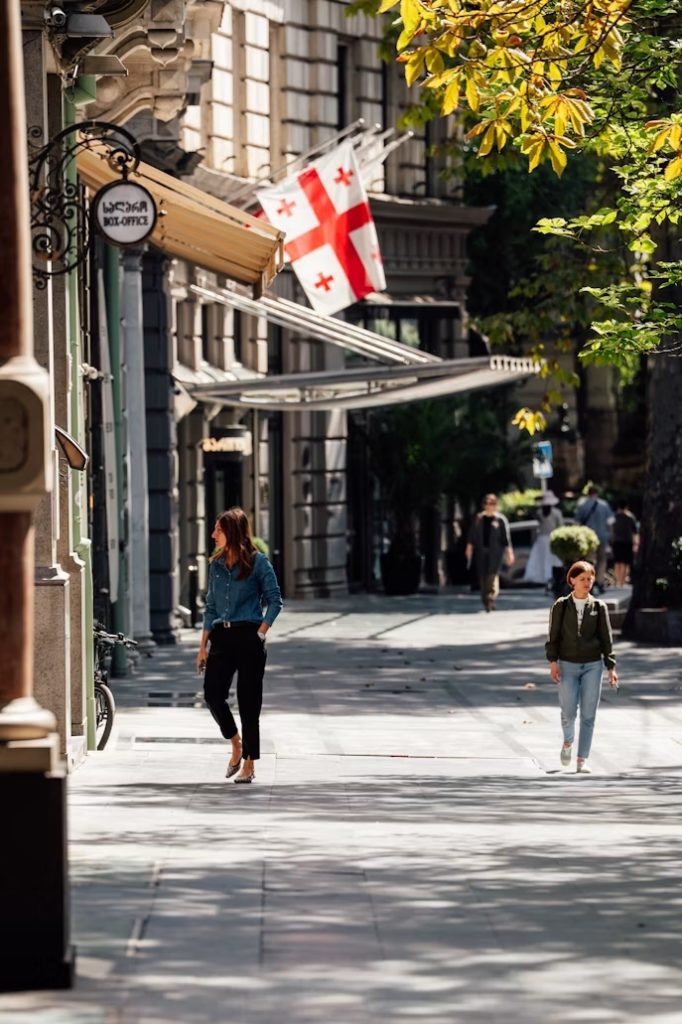
Georgian dating scams are not about Georgia as a country. They are about how scammers use Georgian identity, travel stories, family obligations, and private messengers to make fake profiles feel believable. The story may begin gently. A woman from Tbilisi. A family guesthouse. A mother who needs help. A dream of meeting. A ticket that suddenly costs more. A document that must be paid today. The details change. The structure does not. A real relationship can survive patience. A scam needs urgency. If the story moves from affection to travel money, family emergencies, documents, or private payment details before you have met, slow everything down. The truth usually appears when the money stops.
They exist, but not every Georgian dating profile is fake. The risk comes from unverifiable identity, fast emotional closeness, private messaging, and money requests before meeting.
Look for patterns: fast move to Telegram or WhatsApp, vague local details, no spontaneous video call, travel money requests, family emergencies, and payments to third-party accounts.
These cities sound realistic and familiar enough to foreign men. They also support believable stories about tourism, travel, hospitality, and international contact.
No. Do not send money before meeting and verifying the person independently. Real travel plans can be discussed without asking a stranger to pay.
No. Passport images, tickets, visas, and medical bills can be forged or reused. Documents should support verification, not replace it.
Private messengers give scammers more control, less platform oversight, and a private channel for emotional pressure, documents, videos, and payment details.
Stop sending money, save all evidence, contact your bank or payment provider, report the profile, and file a fraud or cybercrime report.
AllAboutDatingScams can review the profile, photos, messages, documents, travel story, and money requests to help determine whether the woman you met online is likely real or part of a romance scam pattern.