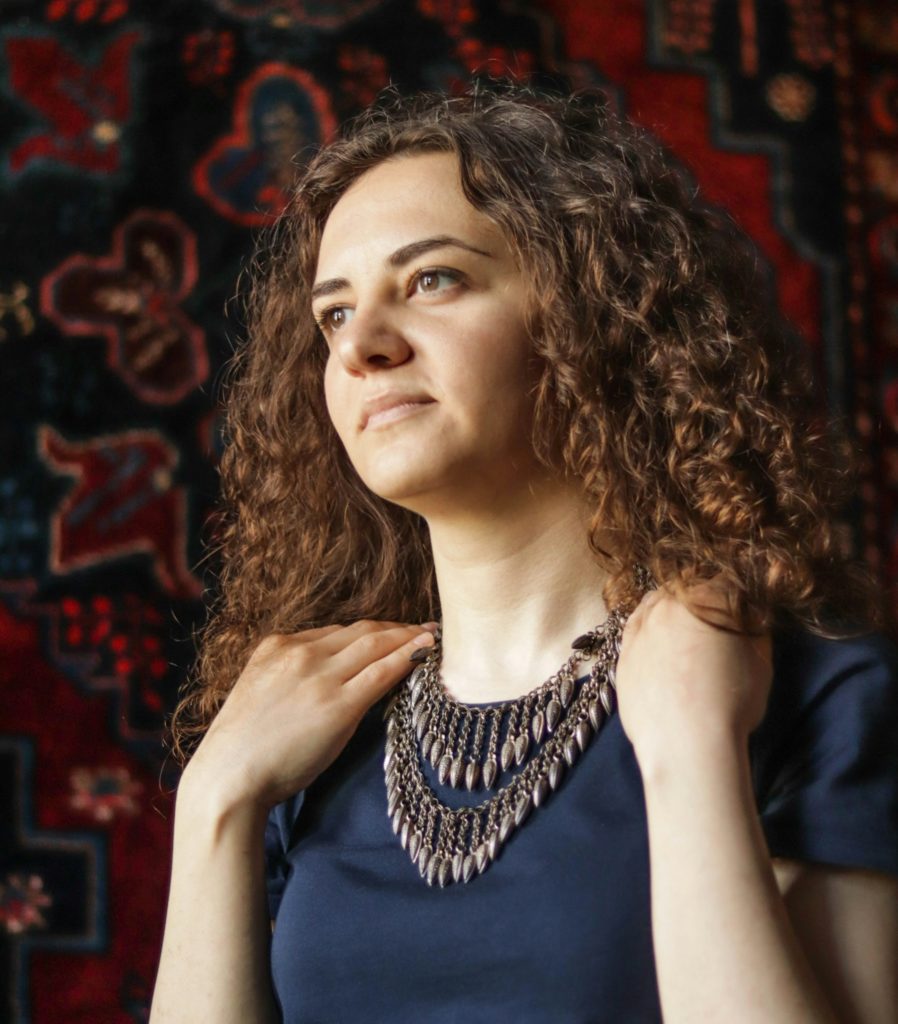
He thought he was talking to a young woman from Yerevan. She said she worked in a small beauty salon, lived with her mother, and wanted a serious relationship, not games. Her messages were warm, careful, and personal. She remembered his work schedule. She asked about his family. She sent long notes at night, the kind that made the distance feel smaller.
Then the story changed.
Her mother needed treatment. A document had to be paid for. Her bank card stopped working. Later, she sent a link that looked like an ordinary online shop. The payment was not large. That was part of why it felt safe.
This is how many Armenian dating scams work. They do not always begin with a direct request for money. They begin with attention, distance, family, trust, and a problem that only you are asked to solve.
Romance scams are fraud schemes where a criminal uses a fake romantic identity to gain a victim’s affection and trust, then uses that relationship to steal money, personal data, documents, or access to accounts. The FBI describes the basic pattern clearly: a criminal creates a fake online identity, builds a romantic or close relationship, and then manipulates or steals from the victim.
The reason these scams work is simple. People trust romantic partners differently than strangers. A request that would look wrong from a random person may feel understandable from someone you have been talking to every day for weeks.
Online romance scams have also become more layered than they were a decade ago. The old version was often a fake profile asking for a plane ticket through Western Union or wire transfer. That still happens. The newer version may involve crypto, fake investment platforms, phishing links, online shopping pages, or blackmail.
This article focuses on Armenian dating scams: scams where criminals use Armenian identity, Yerevan or Armenia-based stories, family pressure, long-distance romance, Telegram, WhatsApp, fake profiles, and sometimes phishing links to turn trust into fraud.
The risk is not Armenian women. The risk is unverifiable identity, emotional pressure, and money before real life verification.
An Armenia dating scam can look believable because the story often fits what foreign men expect from a long-distance relationship.
The profile may say she is from Yerevan, Gyumri, Vanadzor, or part of the Armenian diaspora. She may talk about family values, serious marriage, parents, responsibility, and a quiet life. She may say she works in a salon, small shop, travel company, restaurant, school, clinic, or family business.
None of this is suspicious by itself.
That is why the scam works.
The story feels personal before it becomes financial. She does not ask you to send money on day one. She first becomes familiar. She talks about family members. She explains her daily life. She tells you what happened at work. She says she wants something serious.
Then the distance becomes useful.
A meeting can always be delayed. A visit can always be “soon.” Documents can take time. A plane ticket can become expensive. A mother’s medical costs can appear suddenly. A card can stop working. A passport problem can happen just before travel.
A real relationship becomes more specific over time. A scam becomes more expensive.
One of the most important Armenian cases shows that romance fraud is not always a person simply asking for cash.
In March 2026, Armenian law enforcement exposed a group operating from office space in a basement in Yerevan. According to ArmInfo, the group included Armenian and foreign citizens, used computer equipment, mobile phones, foreign SIM cards, and created fake accounts on dating apps, Telegram, and WhatsApp. Members posed as young attractive women and wrote carefully crafted love letters to potential victims. After gaining trust, they directed victims to fake phishing sites disguised as online shopping platforms, induced them to make payments, cashed out funds abroad, and converted money into cryptocurrency.
That case matters because it shows the modern shape of the crime.
The dangerous part is not always the woman’s photo. Sometimes it is the link she sends after you trust the photo.
A romance scam may look like:
“I need money for my mother.”
But it may also look like:
“Please pay through this shop.”
“Use this delivery page.”
“This is just a verification link.”
“Buy this small thing for me.”
“Enter your card here.”
That is where social engineering becomes the real weapon. The victim is not hacked in the technical sense. He is guided. The relationship creates trust. The message creates urgency. The link collects the payment.
Armenia’s Central Bank also warned in 2025 that investment and “romantic” fraud had significantly increased in the country, while officials noted that many so-called cybercrimes are really fraud based on social engineering rather than attacks on banks themselves.
Most romance scammers start with pictures. They steal photos from social media, old dating profiles, modeling pages, or public accounts. A fake Armenian dating profile may use ordinary-looking images from Yerevan cafés, family dinners, parks, salons, or travel spots.
A profile does not need to be glamorous. It only needs to be believable.
Military impersonation is common in romance fraud worldwide. A scammer may claim to be in the military, working abroad, deployed, or unable to meet because of duty. This tactic creates distance and explains why real life verification never happens.
In Armenian dating scams, the same logic may be used through work, travel, family duty, or documents. The excuse changes. The purpose is the same: delay the meeting while keeping the relationship alive.
A romantic contact may slowly introduce crypto or investment. She may say her cousin trades, a friend has a private platform, or she can show you profit. At first, the amount is small. Later, more money is needed to unlock profits, pay tax, pass verification, or withdraw funds.
If a romantic partner introduces an investment platform before you have met, the relationship has crossed into financial risk.
Pig-butchering is a long scam where the victim is emotionally “fattened” before the financial theft. The scammer builds a relationship, waits until trust is strong, then pushes an investment, crypto account, or fake business idea.
The victim believes he is making a decision. In reality, the con artist has shaped the decision for weeks.
Some online scammers do not begin with money. They begin with shame.
They push the victim into a sexual video call or ask for private photos. Then they threaten to send the material to friends, family, employers, or Facebook contacts unless the victim pays.
This is extortion. Paying rarely ends it. It often brings more money demands.
| Red flag | What it looks like | Why it matters |
| Refusal to video call | She avoids live calls, sends only clips, or always has an excuse | No real-time identity verification |
| Quick professed love | Marriage, destiny, family future within days or weeks | Emotion arrives before proof |
| Requests for money | Plane ticket, medical expenses, rent, document fee, emergency surgery | The relationship becomes financial before meeting |
| Inconsistent personal details | Work, city, family, phone number, or travel story changes | Fake profiles often collapse under detail |
| Fast move to Telegram or WhatsApp | “I do not use this dating site often” | The dating platform loses visibility |
| Link to outside site | Shop, delivery page, investment platform, verification form | May be phishing |
| Payment to third party | Card, wallet, or account not in her name | Hides the money trail |
| More money after first payment | One fee becomes another fee | The first payment was a test |
| Anger when questioned | “You do not trust me” or “I thought you cared” | Pressure replaces explanation |
There is no reason to treat every Armenian dating profile as suspicious. Many people from Armenia use dating apps, social media, and international dating websites honestly.
The concern is the pattern.
Armenian officials and local reporting show that romance-related fraud, phishing, investment fraud, and social engineering have become visible problems. The Central Bank warning in 2025 gave the trend. The Yerevan office case in 2026 showed a concrete mechanism: fake accounts, emotional letters, Telegram and WhatsApp, phishing sites, foreign cash-out, and crypto conversion.
Common romance scam victims are not foolish. They are usually isolated, hopeful, trusting, or simply vulnerable at the wrong time. A taxi driver, an office worker, a divorced man, a widow, a business owner, or a retiree can all be targeted. The scammer is not looking for stupidity. He is looking for access.

I could not verify a reliable public case under the specific names “Nara and Levon,” so those names should not be presented as a documented Armenian case. The lesson belongs in the blackmail pattern instead.
In a typical photo-blackmail story, two people meet online. One person pushes the conversation into private messages. The tone becomes sexual. Photos or videos are exchanged. Then the threat arrives: pay, or the images go to family members, friends, or a workplace.
The relationship was never the goal. The material was.
This kind of scam is especially damaging because the victim fears embarrassment as much as financial losses. That fear gives the scammer leverage. If private images are involved, the first rule is simple: do not pay. Save the threats, stop engaging, report the account, and contact police or a cybercrime unit.
Romance scams can also come from places victims do not expect.
OC Media reported a case in Armenia involving a woman named Gayane, who was contacted by police after communicating with someone she had met online. She had never met him in real life. He repeatedly found excuses to avoid meeting and asked her to top up his phone. Police later told her the man was in prison and had used social networks to befriend women and extort money.
That case shows a smaller but important version of the same crime.
The amount may be small. The method may look casual. But the structure is still there: false identity, emotional contact, no meeting, and money.
If police contact you about a person you met online, take it seriously. Save messages. Do not warn the scammer. Do not delete evidence. Ask the officer how to submit screenshots, payment records, phone numbers, and account names.
Investment romance fraud is dangerous because it does not always feel like giving money to a stranger. The victim may think he is investing for himself.
The contact may say:
“My cousin trades.”
“This company is safe.”
“You can start small.”
“I already made money.”
“I will help you withdraw.”
Then the fake platform shows profit. Later, withdrawal is blocked. The victim is told to pay tax, verification, a security fee, or account unlock. The request for more money keeps coming.
Financial institutions can help, but timing matters. Banks and payment companies should be contacted immediately when a victim suspects fraud. Ask for transaction monitoring, fraud alerts, temporary holds, card replacement, and review of recent payments.
A useful bank message can be simple:
“I believe I may have sent money as part of a romance or investment fraud. Please review recent transactions, place appropriate fraud alerts, advise whether any transfer can be recalled or frozen, and tell me what documentation you need.”
For credit card or debit card exposure:
“I entered my card details on a site sent by someone I met online. Please block or replace the card, monitor for unauthorized charges, and advise on dispute options.”
For wire transfer or Western Union-style payments:
“I sent money to a person I met online and now believe it was fraud. Please check whether the transfer can be stopped, recalled, or traced.”
The faster the report, the better the chance of limiting financial losses.
A move to Telegram or WhatsApp does not prove fraud. Many real people use private messengers.
The risk appears when the move happens quickly and is followed by pressure, secrecy, payment links, vague details, or money requests.
A dating website or dating site has reporting tools. It can suspend suspicious accounts. It may detect repeated messages or scam links. Once the conversation leaves the platform, that visibility drops.
Private messengers give scammers control. They can send voice notes, documents, videos, fake invoices, links, and emotional messages in one thread. They can change usernames or disappear. They can make the victim feel the relationship is more private and more real.
That is why a fast move off-platform is one of the clearest red flags in online romance scams.
The Yerevan case is important because it breaks the illusion that the victim is always talking to one person.
He may think he is writing to one woman. In reality, he may be dealing with a group.
One person may create fake profiles. Another may write love letters. Another may send links. Another may manage payments. Another may cash out funds through intermediaries. In the Yerevan office case, police seized equipment and described a pre-planned romance fraud scheme using dating apps, Telegram, WhatsApp, phishing pages, and cryptocurrency conversion.
The victim sees romance.
The group sees a business.
That is the hard reality behind many scams.
If the person is in Armenia or the scam appears linked to Armenia, report to Armenian authorities. The Armenian police website lists the Cybercrime Department hotline as 011 52 52 52.
If phishing, hacked accounts, malware, or a suspicious website is involved, Armenia’s Government Computer Incident Response Center accepts cyber incident reports, including phishing messages and other incidents, through its online form.
Also report to:
When reporting, include:
Romance scam victims often lose more than money. They lose trust, sleep, confidence, and sometimes contact with friends or family because they feel embarrassed.
That shame helps scammers.
Talk to someone you trust. If threats or intimate photos are involved, contact police or a cybercrime support organization. If the emotional damage is severe, counseling can help. Peer support groups can also help victims understand that this happened to many victims around the world, not just to them.
For financial recovery, move quickly:
A second scam often begins with the words: “We can get your money back.”
AllAboutDatingScams helps men check profiles before money, travel, documents, or emotional commitment go too far.
We look at the whole picture:
A single red flag does not always prove fraud. A pattern does.
The profile may look romantic. The pattern may look criminal. We help separate one from the other before you pay.

Meet in person before sending money. If meeting is impossible, verify carefully before any payment.
Use live video, not only photos or short clips. Ask for a real-time action: today’s date, three fingers, your name written on paper, or a specific answer.
Do not click payment links sent by someone you met online. Do not enter card details on a site sent by a romantic contact.
Do not send money by wire transfer, gift card, crypto, Western Union, or third-party bank account to someone you have not met.
Use secure payment methods only when you are dealing with a verified company, not a person from a private chat.
Do not open bank accounts, receive money, reship goods, or move funds for a romantic partner. That can turn you into part of the theft.
Talk to friends before paying. A person outside the relationship may see what you cannot.
Armenian dating scams are not about Armenia as a country. They are about how scammers use Armenian identity, long-distance emotion, private messengers, family stories, phishing links, and investment promises to make fraud feel like a relationship.
The key red flags are clear: fast emotional closeness, refusal to meet, vague local details, money requests, outside links, investment offers, medical costs, emergency surgery stories, third-party payments, and pressure when you ask questions.
The immediate protective actions are just as clear: slow down, verify photos, demand live identity verification, do not click payment links, do not send money, save evidence, contact banks, and report the scam.
A real relationship can wait.
A scam needs speed, privacy, and trust before proof. If the story moves from affection to money, documents, links, or investment before you have met in real life, stop and verify.
The truth usually appears when the payment stops.
They exist, and Armenian sources have reported increases in romantic, investment, and phishing fraud. That does not mean every Armenian dating profile is fake. The risk comes from unverifiable identity, emotional pressure, and money or links before meeting.
Look for patterns: fast move to Telegram or WhatsApp, vague Yerevan details, no spontaneous video call, polished love letters, travel delays, family emergencies, payment links, and requests for money before meeting.
Armenian identity, family values, diaspora stories, and Yerevan-based details can make a fake profile feel specific and believable. The problem is not the country. The problem is unverifiable identity plus pressure.
No. Do not send money before meeting and independently verifying the person. A real person can discuss travel or medical costs without requiring a stranger from a dating site to pay.
Yes. A link may lead to a fake shop, fake delivery page, fake investment page, or phishing form. Do not enter card details on a site sent by someone you only met online.
No. Passport images, tickets, visas, and medical bills can be forged, edited, or reused. Documents should support verification, not replace it.
Stop sending money. Save evidence. Contact your bank or payment provider. Report the dating profile and messenger account. File a police or cybercrime report.
Change passwords, contact your bank, freeze or replace the card if you entered card details, enable two-factor authentication, save the link, and report the incident.
AllAboutDatingScams can review the profile, photos, messages, documents, payment requests, outside links, travel story, and emotional pattern to help determine whether the person is likely real or part of a romance scam.