Most people who type “scams on dating sites” into a search bar aren’t asking about fake websites. They’re asking something more uncomfortable: if the site is real, with real moderation and real paying members, how did a scammer end up in my inbox? This article answers that. It covers scammers operating inside legitimate platforms. If you want the other side of the topic, fake websites built only to collect money, see our guide to dating sites that are scams.
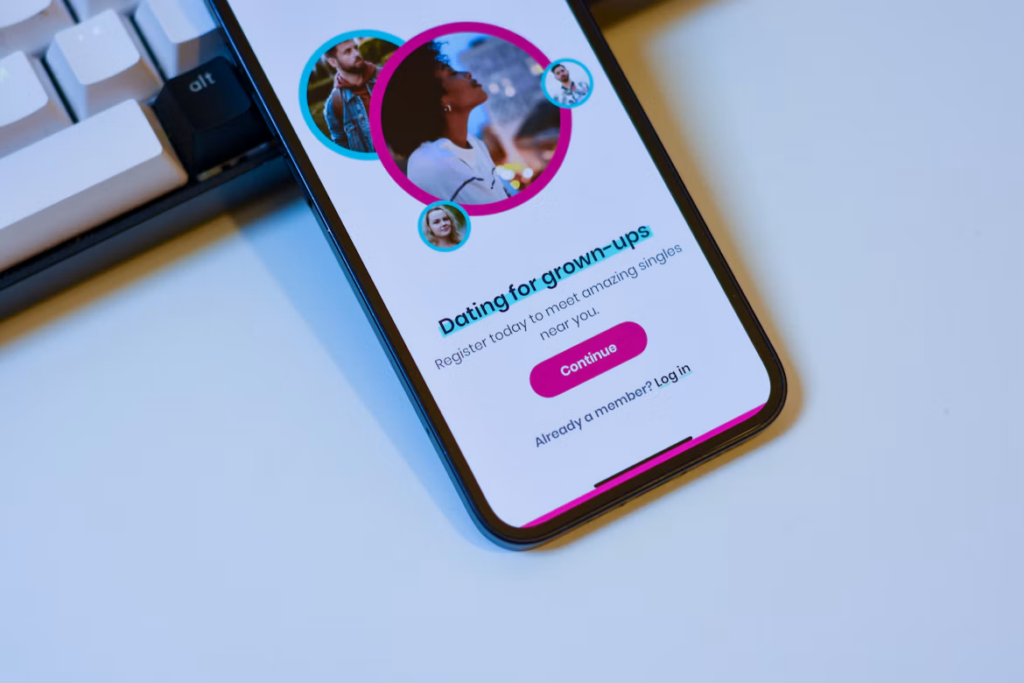
A well-known dating site is not a scam in itself. It has a real product, real users and a business model that doesn’t depend on stealing from you. But a legitimate platform and a safe conversation are two different things. Any service that lets strangers message each other will attract people who want to exploit that access, and dating sites have an extra advantage for scammers: everyone on them is already hoping to build a connection.
That gap is why “online dating is a scam” keeps showing up in search results. The statement is wrong as a rule and understandable as a feeling. Someone who has been pulled into a fake relationship on a real app tends to blame the whole category, when the problem was one account the platform failed to stop in time.
Dating site scammers aren’t one type of person. Several kinds of operators work the same platforms, and they behave differently.
Knowing which type you’re dealing with helps. A bot is easy to spot by its repetition. An organized group is harder, because the person writing to you has done this many times and knows which lines work.
Legitimate platforms do remove fake accounts, but removal is never instant, and scammers plan for that.
A verification badge helps, but it only confirms that someone passed a particular check. It doesn’t tell you what that person intends to do once you start talking.
Details change, but the order rarely does.
The first three steps can all happen inside the dating platform. That’s why it matters to notice them while you’re still there, with reporting tools one tap away.
The classic version. A relationship is built, then a crisis appears: a medical bill, a customs fee, a stuck bank account. The money request is always presented as temporary.
The scammer mentions their own success with a trading platform, offers to show you, and walks you through depositing money. The platform looks real and even shows gains, until you try to withdraw.
Someone asks you to “verify” yourself by sending a code you received by text, or by clicking a link. The code usually belongs to one of your own accounts, and sharing it hands over control.
After a quick exchange of private photos or a video call, the other person threatens to send them to your contacts unless you pay. If this happens, don’t pay. Stop replying, keep the evidence and report it.
Profiles with very few details and a very eager first message, often pointing you toward another site. Annoying more than dangerous, but they can lead to paid services or phishing pages.
One of these doesn’t prove a scam. Two or three together, especially with a person you’ve never seen on a live call, is a pattern worth taking seriously.
Online dating works for a lot of people, and most conversations on legitimate sites are with real people looking for the same thing you are. The risk isn’t the platform. It’s the small share of accounts that aren’t what they say. That share is large enough to deserve caution and small enough that you don’t need to give up on dating online.
A practical rule helps: let trust grow at the same speed as verification. Real people don’t mind being checked. Scammers do.
Stop sending money straight away, even if the latest request looks smaller than the last. Save the messages, screenshots of the profile and any payment records before you block the account, because the profile may be gone in a day. Report it through the dating site’s own reporting tool, since a specific report usually moves faster than a general complaint. If you’ve sent money, contact your bank or payment provider at once. In the US, you can also file a report with the FTC. Be careful with anyone who contacts you afterward offering to recover your money for a fee. That is very often a second scam.
If a match on a real dating site is starting to feel off, AllAboutDatingScams can review the profile, photos and messages together and tell you whether they follow patterns we see in known romance scams. A second, independent look is usually easier before money or personal details change hands than after. Order a verification check before you send anything.
Scammers don’t need a fake site when a real one already has the audience they want. Legitimate dating platforms are not scams, but they do host scammers, and the moves they use are consistent enough to learn: stolen photos, fast affection, a push to leave the app, a reason not to meet, and then money. Spotting that sequence early, while you’re still inside the platform, is the most reliable protection you have.
No. Established dating sites are real businesses. But scammers create accounts on them, so a legitimate platform doesn’t guarantee that every person on it is genuine.
People who’ve been targeted by a fake profile often feel the whole system is rigged. In practice, most users are real, and the harm usually comes from a small number of accounts that slipped past moderation.
They use stolen photos and appealing profiles, then message many people at once and focus on the ones who reply warmly. Some look for signs of loneliness, recent loss or financial stability.
Dating site scammers are individuals or groups using real platforms to approach people. Scammer dating sites are fake or fraudulent websites built to collect payments. This article covers the first; the second is covered in our guide to dating sites that are scams.
Yes. A badge confirms that a check was passed, not what the person will do afterward. Keep verifying through live video and independent searches.
Stop sending money, save your evidence, report the profile on the platform, and get an independent review of the profile and messages before continuing.